CNC Machining Aluminum Alloy Die Casting Parts: Revolutionizing Sprocket Wheel Manufacturing
2025-08-19
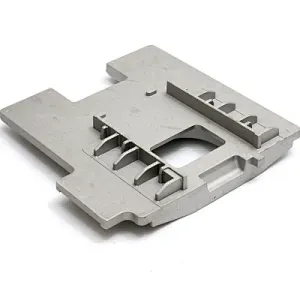
In the realm of mechanical engineering and manufacturing, CNC machining aluminum alloy die casting parts have emerged as a game-changer—especially for critical components like sprocket wheels. Combining the efficiency of die casting with the precision of CNC machining, these parts offer unparalleled performance, durability, and cost-effectiveness. This blog explores how this hybrid process elevates sprocket wheel production, highlights key benefits, and showcases our standout solution: CNC Machining Aluminum Alloy Die Casting Parts for Sprocket Wheel.
Table of Contents
- Understanding CNC Machining Aluminum Alloy Die Casting Parts
- Why Aluminum Alloy for Sprocket Wheels?
- The Advantages of Combining Die Casting with CNC Machining
- Spotlight: CNC Machining Aluminum Alloy Die Casting Parts for Sprocket Wheel
- Expert Insights on CNC Machined Die Cast Parts for Sprockets
- Applications Beyond Sprocket Wheels
- FAQs: Navigating CNC Machining Aluminum Alloy Die Casting
Understanding CNC Machining Aluminum Alloy Die Casting Parts
CNC machining aluminum alloy die casting parts represent a two-step manufacturing process that merges the best of die casting and CNC machining:
- Die Casting: Molten aluminum alloy is injected into a precision mold (die) under high pressure, forming a near-net-shape part. This step efficiently produces complex geometries with minimal material waste.
- CNC Machining: The die-cast part undergoes computer-controlled machining (milling, turning, drilling) to refine critical features—such as sprocket teeth, bore holes, or mounting surfaces—achieving tight tolerances and smooth finishes that die casting alone can’t match.
This hybrid approach balances speed (from die casting) and precision (from CNC machining), making it ideal for high-volume production of components like sprocket wheels, where both efficiency and accuracy are critical.

Why Aluminum Alloy for Sprocket Wheels?
Sprocket wheels are fundamental to power transmission systems, transferring motion between chains or belts in machinery, vehicles, and industrial equipment. Aluminum alloy is uniquely suited for this role due to its exceptional properties:
- Lightweight: Aluminum weighs 1/3 of steel, reducing overall system weight—critical for applications like bicycles, electric vehicles (EVs), and robotics, where energy efficiency is key.
- High Strength-to-Weight Ratio: Alloys like 6061 and A380 offer sufficient tensile strength (up to 310 MPa) to withstand the torque and stress of power transmission.
- Corrosion Resistance: Aluminum forms a natural oxide layer, protecting sprockets from rust in outdoor or humid environments (e.g., agricultural machinery, marine equipment).
- Thermal Conductivity: Dissipates heat generated during high-speed operation, preventing warping or premature wear.
- Cost-Effectiveness: More affordable than titanium or high-grade steel, with lower machining costs due to its machinability.
The Advantages of Combining Die Casting with CNC Machining
While die casting alone can produce sprocket wheel blanks, pairing it with CNC machining unlocks transformative benefits for CNC machining aluminum alloy die casting parts:
1. Unmatched Precision in Critical Features
Sprocket wheels require precise tooth profiles, pitch diameters, and bore alignments to ensure smooth chain engagement and minimize wear. CNC machining refines these features to tolerances as tight as ±0.005mm—far beyond what die casting (typically ±0.1mm) can achieve. This precision reduces noise, vibration, and chain skipping in transmission systems.
2. Complex Geometries Made Practical
Die casting excels at creating intricate shapes (e.g., hollow sprocket hubs, ribbed structures for strength) that would be costly or impossible to machine from solid stock. CNC machining then adds critical details like keyways, threaded holes, or chamfers, eliminating the need for secondary assembly steps.
3. Cost Efficiency at Scale
Die casting produces near-finished parts quickly, reducing the amount of material that needs CNC machining. This “near-net-shape” approach cuts waste and shortens cycle times, making high-volume production (10,000+ units) economically viable—essential for industries like automotive and consumer goods.
4. Consistent Quality Across Batches
CNC machines execute pre-programmed toolpaths with minimal variation, ensuring every sprocket wheel in a production run matches the design exactly. This consistency is vital for manufacturers assembling large quantities of machinery, where part interchangeability is non-negotiable.
Spotlight: CNC Machining Aluminum Alloy Die Casting Parts for Sprocket Wheel
Our CNC Machining Aluminum Alloy Die Casting Parts for Sprocket Wheel is engineered to set new standards in sprocket performance. Designed for demanding applications, this product leverages the strengths of aluminum alloy and hybrid manufacturing to deliver exceptional results.
Key Features:
- Alloy Selection: Available in 6061 (high strength, weldable) and A380 (excellent castability, wear resistance) to suit specific load and environment requirements.
- Precision Machining: Sprocket teeth profiled to ISO 606 or ANSI B29.1 standards, with pitch diameter tolerances of ±0.003mm and surface finishes of Ra ≤ 1.6μm for smooth chain interaction.
- Die Casting Excellence: Near-net-shape hubs and ribs reduce material waste by up to 40% compared to solid machining, lowering costs without compromising strength.
- Customization: Supports unique designs, including variable tooth counts (10–100 teeth), hub diameters, and mounting configurations (keyed bores, set screw holes).
- Quality Assurance: Each part undergoes 3D scanning and CMM inspection to verify dimensions, with load testing for critical applications (e.g., industrial conveyors).
Whether for bicycles, EV drivetrains, or agricultural equipment, this product ensures reliable power transmission with reduced weight and extended service life.
Expert Insights on CNC Machined Die Cast Parts for Sprockets
Johnathan Reed, a mechanical design engineer with 18 years in power transmission systems, explains: “CNC machining aluminum alloy die casting parts have revolutionized sprocket manufacturing. Die casting gets you 90% of the way with complex shapes, but CNC machining adds the precision that makes or breaks performance—especially in high-speed applications where even a 0.01mm misalignment causes chain wear.”
He adds, “Aluminum’s lightweight nature, paired with CNC-refined tooth profiles, has enabled us to design more energy-efficient systems. The product highlighted here, with its tight tolerances and alloy options, addresses the two biggest pain points in sprocket production: cost and consistency.”
Applications Beyond Sprocket Wheels
While sprocket wheels are a standout use case, CNC machining aluminum alloy die casting parts excel across industries:
- Automotive: Engine brackets, transmission components, and EV motor housings—benefiting from lightweight design and complex geometries.
- Aerospace: Actuator parts and drone components—where weight reduction and precision are critical.
- Consumer Electronics: Gearboxes for home appliances (e.g., washing machines, power tools)—combining durability with cost efficiency.
- Industrial Machinery: Conveyor rollers, pump housings, and valve bodies—withstanding heavy loads and harsh environments.
FAQs: Navigating CNC Machining Aluminum Alloy Die Casting
1. What’s the difference between 6061 and A380 aluminum for sprocket wheels?
6061 offers higher tensile strength (310 MPa vs. A380’s 240 MPa) and better weldability, making it ideal for high-load applications (e.g., industrial conveyors). A380 has superior castability and wear resistance, suited for high-volume, moderate-load uses (e.g., bicycle sprockets).
2. How tight of a tolerance can you achieve on sprocket teeth?
Our CNC machining process consistently achieves ±0.003mm on tooth profiles and pitch diameters—well within the ISO 606 standard for precision sprockets.
3. Can you produce sprockets with non-standard tooth profiles?
Yes. We support custom tooth designs (e.g., modified involute profiles for noise reduction) using CAD-driven CNC programming. Simply provide your 3D model or drawing.
4. What’s the typical lead time for production?
Die mold creation takes 2–3 weeks for custom designs. Once the mold is ready, production runs of 1,000–10,000 units take 7–10 business days, with rush options available.
5. How do you ensure corrosion resistance for outdoor applications?
We offer surface treatments like anodizing (Type II or III) or powder coating, which enhance aluminum’s natural oxide layer—extending lifespan in humid or corrosive environments.
CNC machining aluminum alloy die casting parts represent the future of precision manufacturing for components like sprocket wheels. By combining the efficiency of die casting with the accuracy of CNC machining, they deliver the performance, consistency, and cost savings modern industries demand. Our CNC Machining Aluminum Alloy Die Casting Parts for Sprocket Wheel embodies this innovation—proving that when it comes to power transmission, precision and practicality can go hand in hand.
CNC Machining Aluminum Alloy Die Casting Parts: Revolutionizing Sprocket Wheel Manufacturing
Precision CNC Machined Parts: The Foundation of Modern Manufacturing Excellence
Related Article
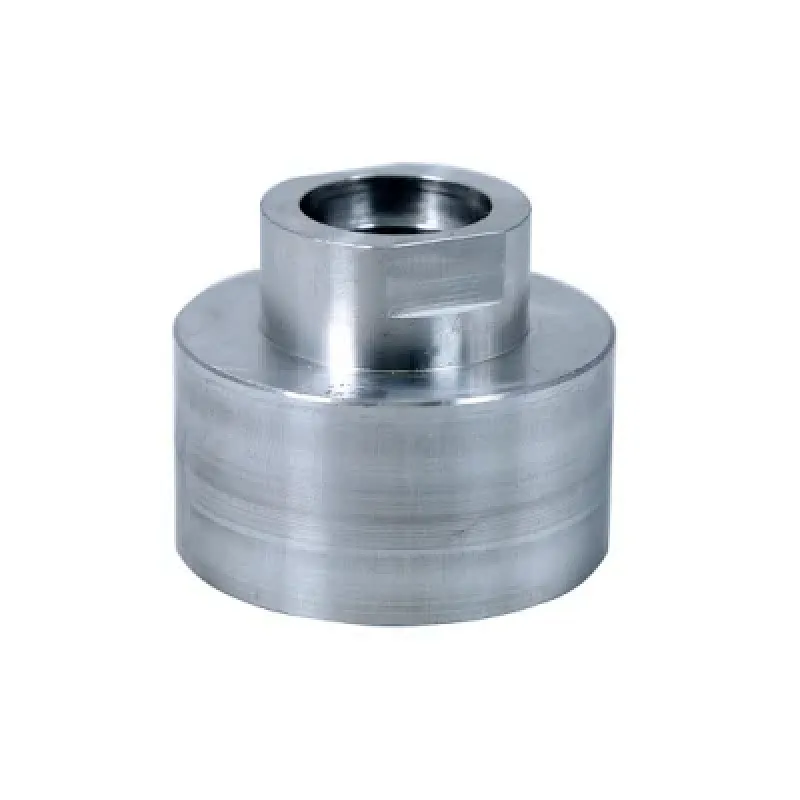
In the realm of mechanical engineering and manufacturing, CNC machining aluminum alloy die casting parts have emerged as a game-changer—especially for critical components like sprocket wheels.
CNC Machining Aluminum Alloy Die Casting Parts: Revolutionizing Sprocket Wheel Manufacturing
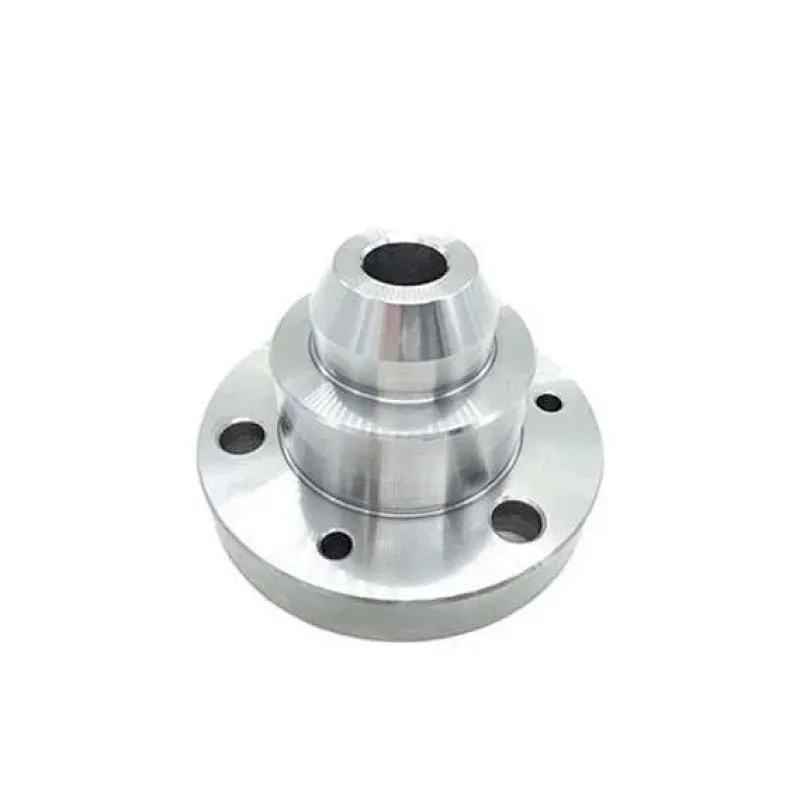
In the era of advanced manufacturing, precision CNC machined parts stand as the backbone of industries ranging from aerospace to automotive. These components, crafted with micron-level accuracy using computer numerical control (CNC) technology, ensure reliability, consistency, and performance in even the most demanding applications.
Precision CNC Machined Parts: The Foundation of Modern Manufacturing Excellence