Precision CNC Machined Parts: The Foundation of Modern Manufacturing Excellence
2025-08-14
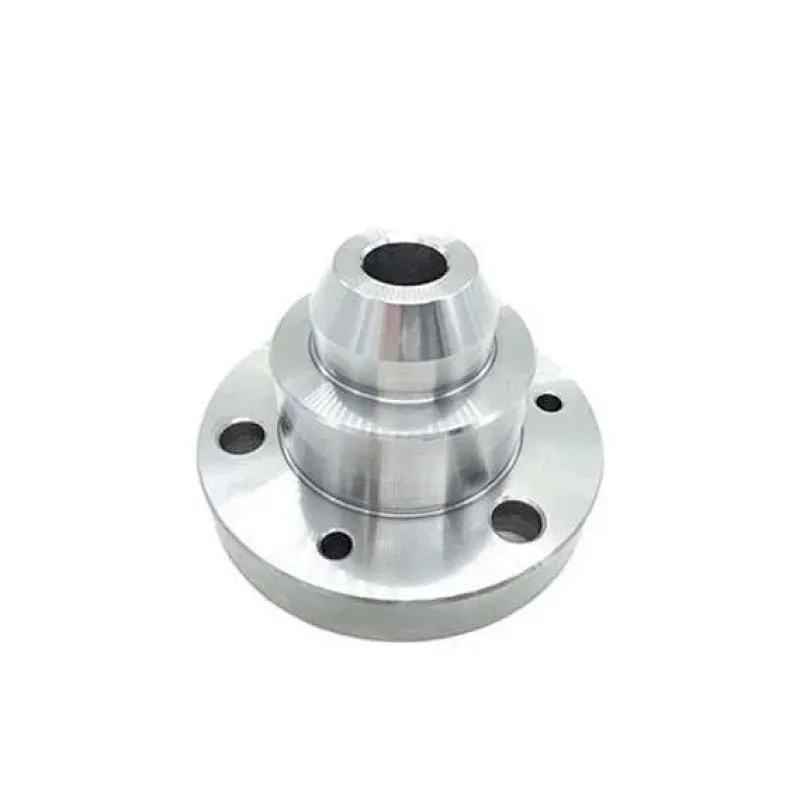
In the era of advanced manufacturing, precision CNC machined parts stand as the backbone of industries ranging from aerospace to automotive. These components, crafted with micron-level accuracy using computer numerical control (CNC) technology, ensure reliability, consistency, and performance in even the most demanding applications. This blog explores the critical role of precision CNC machined parts, their defining characteristics, and highlights a standout solution: OEM Custom CNC Machining Metal Parts Milling Turning Service Aluminum Stainless Steel CNC Machine Parts.
Table of Contents
- What Are Precision CNC Machined Parts?
- Why Precision Matters in CNC Machining
- Key Characteristics of High-Quality Precision CNC Machined Parts
- Materials and Processes: Crafting Precision
- Spotlight: OEM Custom CNC Machining Metal Parts Milling Turning Service Aluminum Stainless Steel CNC Machine Parts
- Expert Insights on Precision CNC Machining
- Applications Across Industries
- FAQs: Navigating Precision CNC Machined Parts
What Are Precision CNC Machined Parts?
Precision CNC machined parts are components fabricated using CNC machines—automated tools guided by pre-programmed computer software—to achieve extremely tight tolerances and exact specifications. Unlike manual machining, CNC technology eliminates human error, ensuring each part replicates the design with consistent accuracy, even in high-volume production runs.
These parts range from simple washers to complex aerospace components, and their precision is measured in micrometers (μm), often achieving tolerances as tight as ±0.001mm. This level of accuracy makes them indispensable in industries where even minor deviations can lead to system failure, safety risks, or performance issues.
Why Precision Matters in CNC Machining
Precision is not just a buzzword in CNC machining—it’s a critical requirement that impacts every stage of production and end-use:
- Reliability: Tight-tolerance parts fit together seamlessly, reducing friction, wear, and the risk of breakdowns. For example, in automotive engines, precision-machined gears ensure smooth power transmission and fuel efficiency.
- Safety: In aerospace and medical devices, even a 0.01mm error in a critical part (e.g., a turbine blade or surgical instrument) could have catastrophic consequences.
- Cost Savings: Precision reduces scrap rates and rework. A single defective part in a high-value assembly (e.g., a satellite component) can cost thousands to replace.
- Innovation: The ability to produce intricate, precise parts enables the development of smaller, lighter, and more efficient products—from miniaturized electronics to next-generation medical devices.
Key Characteristics of High-Quality Precision CNC Machined Parts
1. Tight Tolerances
The most defining feature is adherence to strict dimensional tolerances. High-quality parts achieve ±0.001mm to ±0.01mm, depending on the application. This is made possible by advanced CNC machines with high-resolution encoders and thermal compensation systems that account for temperature-induced expansion.
2. Superior Surface Finish
Precision CNC machining produces smooth, consistent surface textures (measured in Ra, or roughness average). For example, hydraulic components require Ra ≤ 0.8μm to prevent fluid leakage, while aerospace parts often need Ra ≤ 0.4μm to minimize drag.
3. Material Integrity
Precision machining preserves the structural integrity of the raw material. Processes like CNC milling and turning avoid excessive heat or stress that could warp or weaken metals, ensuring parts retain their mechanical properties (e.g., tensile strength, hardness).
4. Repeatability
In mass production, every part must be identical. CNC machines achieve this by storing and executing programs with minimal variation, ensuring batch-to-batch consistency—critical for industries like automotive, where thousands of identical parts are needed for assembly lines.
Materials and Processes: Crafting Precision
The performance of precision CNC machined parts depends on two key factors: material selection and machining processes.
Materials
- Aluminum: Lightweight, corrosion-resistant, and easy to machine, making it ideal for aerospace, automotive, and electronics parts.
- Stainless Steel: Offers high strength and resistance to rust, perfect for medical devices, marine components, and food processing equipment.
- Titanium: Combines strength with low weight, used in aerospace and medical implants.
- Brass: Excellent for electrical components due to its conductivity and machinability.
Processes
- CNC Milling: Uses rotating cutting tools to remove material from a workpiece, ideal for complex 3D shapes and slots.
- CNC Turning: Spins the workpiece while a stationary tool cuts material, perfect for cylindrical parts like shafts and bushings.
- Wire EDM: Uses electrical discharges to cut hard materials with extreme precision, suitable for intricate dies and molds.
Spotlight: OEM Custom CNC Machining Metal Parts Milling Turning Service Aluminum Stainless Steel CNC Machine Parts
Our OEM Custom CNC Machining Metal Parts Milling Turning Service Aluminum Stainless Steel CNC Machine Parts exemplifies the pinnacle of precision manufacturing. Designed to meet the unique needs of OEMs across industries, this service combines advanced technology with expert craftsmanship to deliver parts that exceed expectations.
Key Features:
- Customization: Tailored to your exact specifications, with support for complex geometries, tight tolerances (±0.001mm), and custom finishes (e.g., anodizing, powder coating).
- Material Versatility: Specializes in aluminum and stainless steel—two of the most in-demand materials for precision applications—with options for other metals on request.
- Dual Processes: Integrates CNC milling and turning to handle both 3D shapes and cylindrical components, eliminating the need for multiple suppliers.
- Quality Assurance: Each part undergoes rigorous inspection using CMM (Coordinate Measuring Machines) and laser scanning to verify dimensions and surface finish.
- Scalability: From prototyping (1-100 parts) to mass production (10,000+ units), the service adapts to your volume needs without compromising precision.


Whether you’re manufacturing automotive sensors, medical device components, or aerospace fittings, this solution ensures your parts meet the strictest industry standards.
Expert Insights on Precision CNC Machining
Dr. Michael Chen, a manufacturing technologist with 25 years of experience in aerospace and defense, notes: “Precision CNC machined parts are the unsung heroes of modern engineering. The difference between a good part and a great part lies in tolerances that most people can’t even see—yet those microns determine whether a jet engine runs efficiently or a surgical robot operates flawlessly.”
He emphasizes, “Services like the OEM custom CNC machining offering for aluminum and stainless steel parts are game-changers. They bridge the gap between design complexity and manufacturability, allowing engineers to push the boundaries of innovation without sacrificing precision.”
Applications Across Industries
Precision CNC machined parts are ubiquitous in critical sectors:
- Aerospace: Turbine blades, aircraft fasteners, and navigation system components rely on tight tolerances to withstand extreme temperatures and pressure.
- Automotive: Fuel injectors, transmission gears, and braking system parts require precision to ensure safety and fuel efficiency.
- Medical Devices: Surgical tools, implantable components (e.g., hip replacements), and diagnostic equipment parts demand biocompatibility and exact dimensions.
- Electronics: Connector pins, heat sinks, and sensor housings need precision to fit into compact devices and ensure reliable performance.
- Energy: Oil and gas valves, wind turbine components, and solar panel parts depend on precision to maximize efficiency and durability.
FAQs: Navigating Precision CNC Machined Parts
1. What is the typical tolerance range for precision CNC machined parts?
It varies by application: general industrial parts often use ±0.01mm, while aerospace or medical parts may require ±0.001mm. Our custom service can achieve tolerances as tight as ±0.0005mm for critical components.
2. How do I choose between aluminum and stainless steel for my parts?
Aluminum is best for lightweight, corrosion-resistant applications (e.g., aerospace, electronics). Stainless steel is ideal for high-strength, high-temperature, or sterile environments (e.g., medical, marine).
3. Can you produce prototypes before full production?
Yes. Our service includes rapid prototyping using the same CNC machines as production runs, ensuring your prototype matches the final part’s precision.
4. What file formats do you accept for custom designs?
We work with all major CAD formats, including STEP, IGES, STL, and SolidWorks files. Our engineering team can also assist with design for manufacturability (DFM) to optimize your part for CNC machining.
5. How long does it take to produce custom precision CNC parts?
Prototypes take 3-5 business days, while production runs depend on volume—typically 7-14 days for 1,000+ units. Rush options are available for urgent orders.
Precision CNC machined parts are the cornerstone of reliable, high-performance products. With solutions like OEM Custom CNC Machining Metal Parts Milling Turning Service Aluminum Stainless Steel CNC Machine Parts, manufacturers gain access to the accuracy, versatility, and consistency needed to thrive in today’s competitive markets. Whether you’re innovating in aerospace, medical devices, or automotive, precision is non-negotiable—and we’re here to deliver it.
CNC Machining Aluminum Alloy Die Casting Parts: Revolutionizing Sprocket Wheel Manufacturing
Related Article
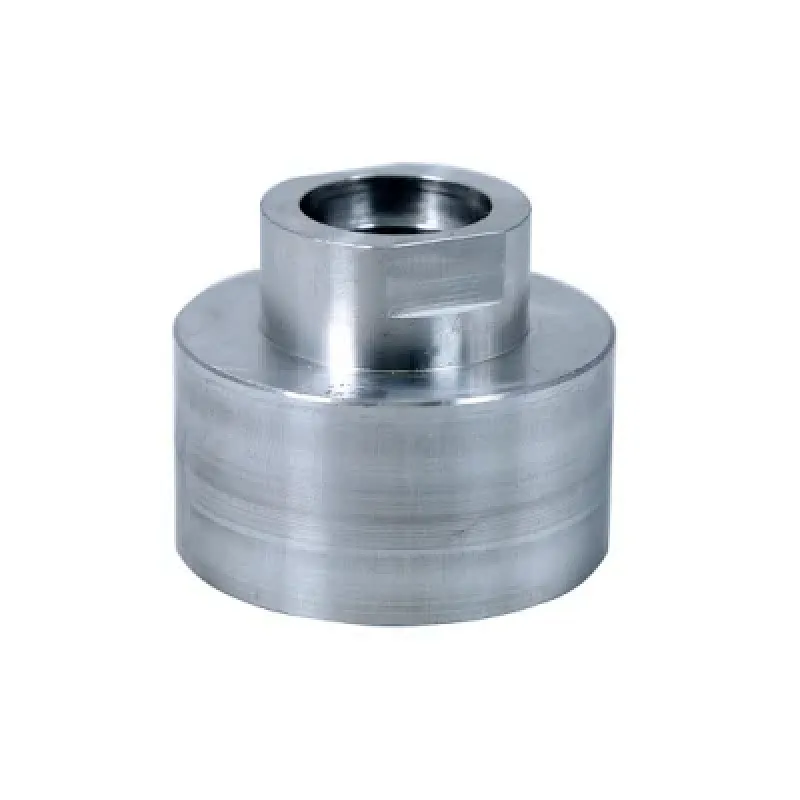
In the realm of mechanical engineering and manufacturing, CNC machining aluminum alloy die casting parts have emerged as a game-changer—especially for critical components like sprocket wheels.
CNC Machining Aluminum Alloy Die Casting Parts: Revolutionizing Sprocket Wheel Manufacturing
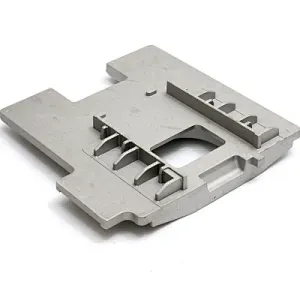
In the realm of mechanical engineering and manufacturing, CNC machining aluminum alloy die casting parts have emerged as a game-changer—especially for critical components like sprocket wheels. Combining the efficiency of die casting with the precision of CNC machining, these parts offer unparalleled performance, durability, and cost-effectiveness.
CNC Machining Aluminum Alloy Die Casting Parts: Revolutionizing Sprocket Wheel Manufacturing