CNC Steel Parts: The Pinnacle of Strength and Precision in Manufacturing
CNC Steel Parts: The Pinnacle of Strength and Precision in Manufacturing
In the realm of industrial manufacturing, CNC steel parts reign supreme when applications demand a blend of exceptional strength, durability, and meticulous precision. These components, crafted through advanced computer-controlled machining processes, are the backbone of machinery, infrastructure, and technology that powers modern life. This blog explores the unique attributes, applications, and advantages of CNC steel parts, along with expert insights and key comparisons.
Table of Contents
Defining CNC Steel Parts
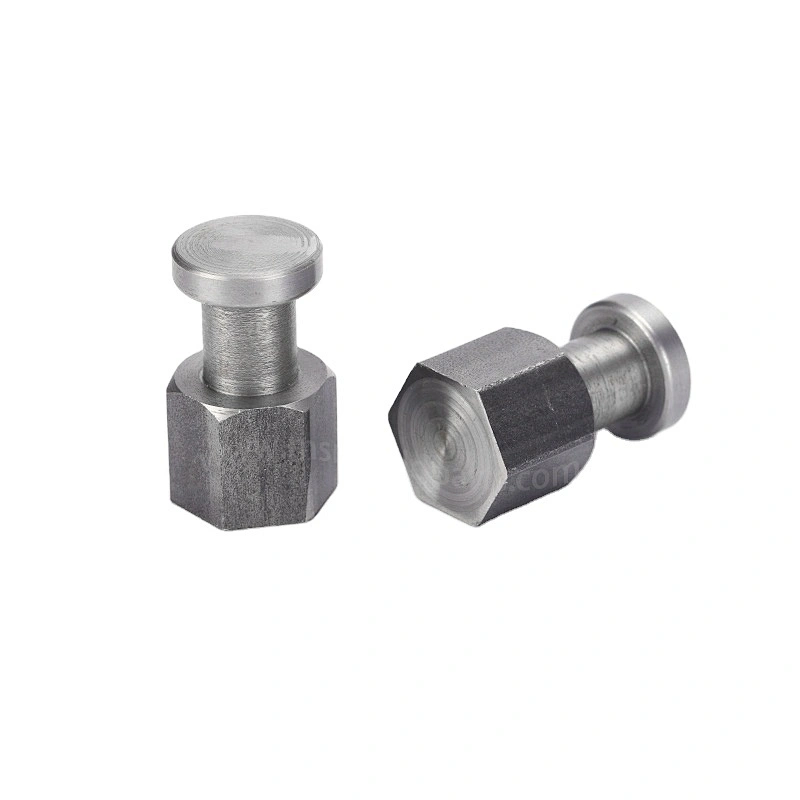
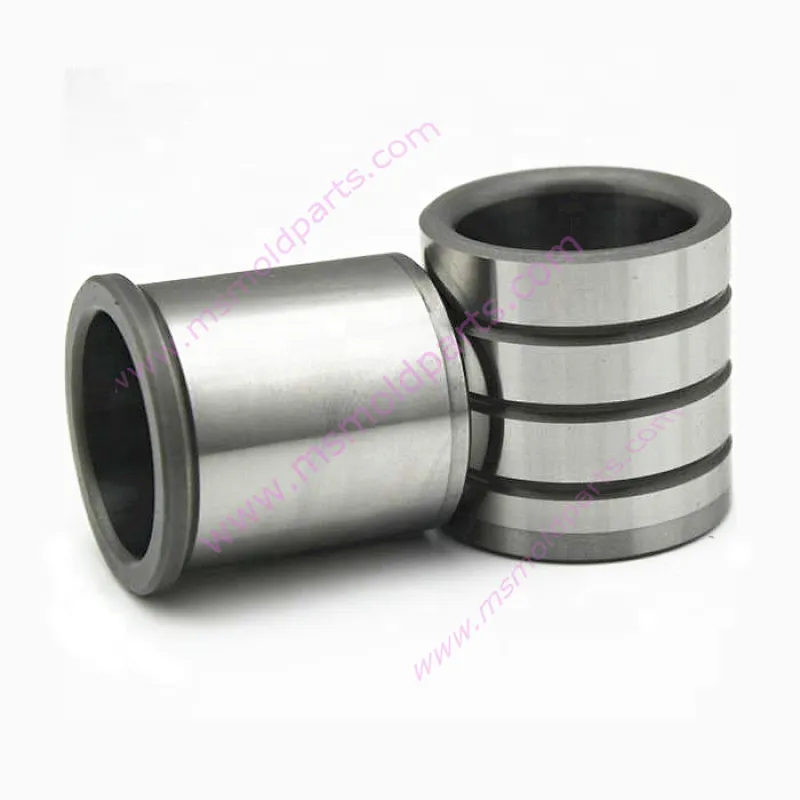
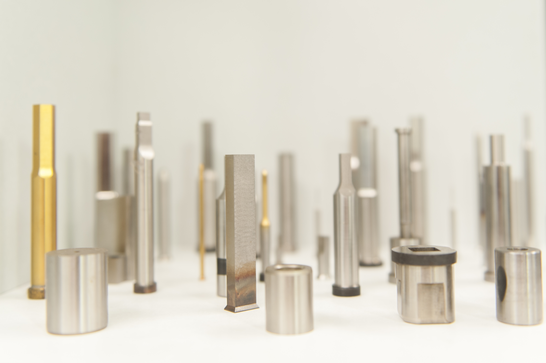
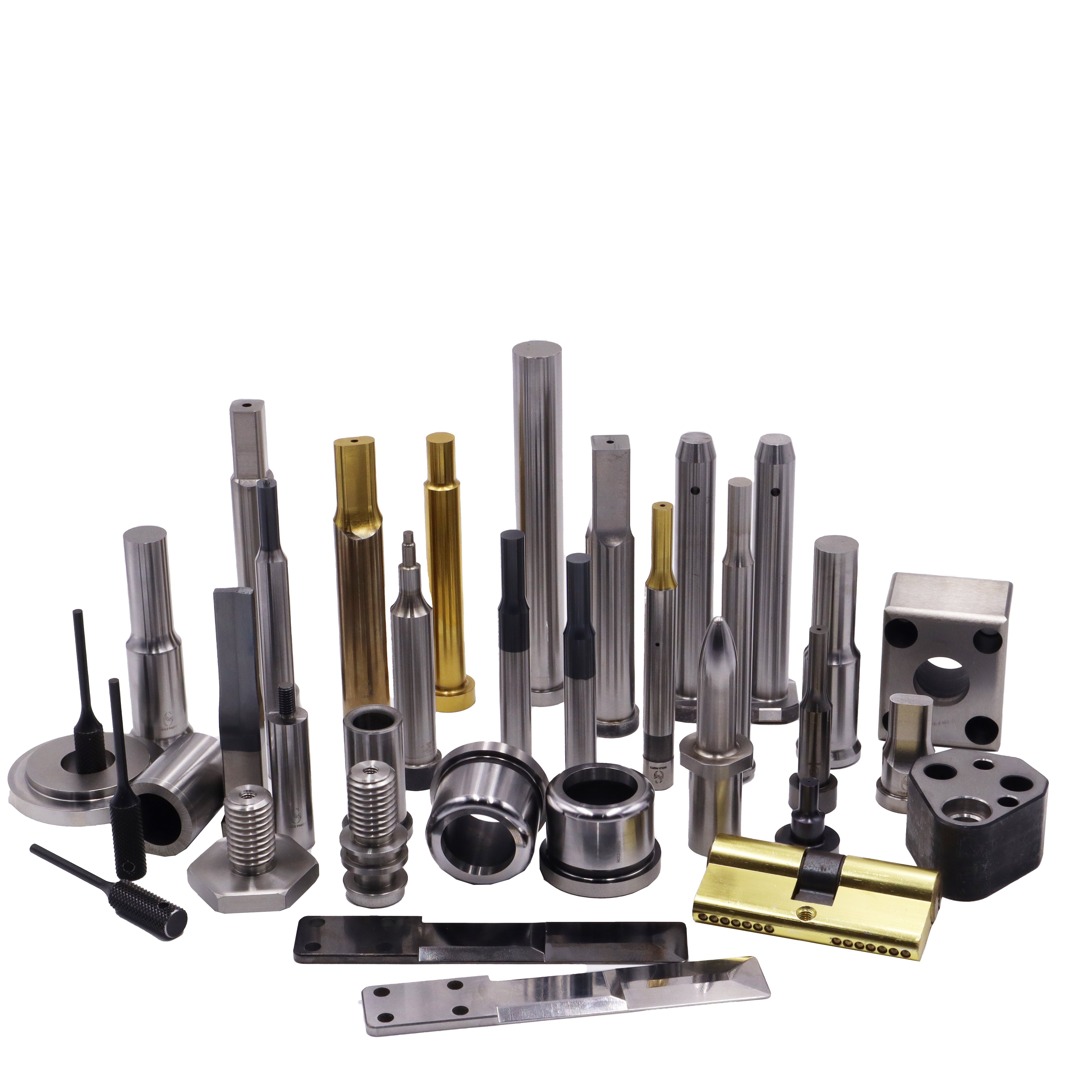
CNC steel parts refer to components manufactured by Computer Numerical Control (CNC) machines using various steel alloys. Steel, a material celebrated for its high tensile strength, toughness, and versatility, undergoes precise cutting, drilling, and shaping via CNC systems. These systems follow pre-programmed designs to ensure uniformity, even for complex geometries. From carbon steel for general applications to stainless steel for corrosion resistance and alloy steel for high-stress environments, the choice of steel grade is tailored to specific performance requirements.

Why CNC Steel Parts Stand Out: Core Advantages
Exceptional Mechanical Strength
Steel’s inherent high tensile and compressive strength (ranging from 370 MPa for mild steel to over 2000 MPa for advanced alloys) makes CNC steel parts capable of withstanding extreme loads and harsh operating conditions. This strength is unmatched by materials like aluminum or plastic, making them indispensable for structural and load-bearing applications.
A CNC steel part undergoing a compressive strength test, showcasing its ability to resist deformation under heavy pressure.Superior Precision and Tolerance Control
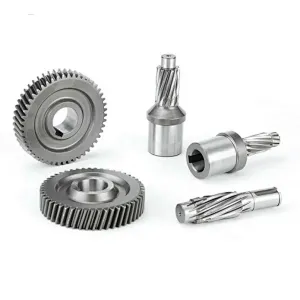
CNC machining technology enables tight dimensional tolerances (as low as ±0.0005 inches) for steel parts. This level of precision ensures seamless integration with other components, reducing assembly errors and enhancing overall system performance. Whether producing gears with intricate teeth or hydraulic fittings with precise threads, CNC steel parts deliver consistent accuracy.
Resistance to Wear, Heat, and Corrosion
- Wear resistance: Heat-treated CNC steel parts (e.g., 4140 alloy) form a hard surface layer that resists abrasion, extending their lifespan in moving machinery.
- Heat resistance: Alloy steels can withstand elevated temperatures (up to 1000°F/538°C), making them suitable for engine components and industrial furnaces.
- Corrosion resistance: Stainless steel CNC parts (e.g., 316 grade) contain chromium, which forms a protective oxide layer, ideal for marine, chemical, and food processing environments.
Cost-Effectiveness in Long-Term Use
While initial production costs may be higher than plastic or aluminum parts, CNC steel parts offer lower lifecycle costs due to their durability and reduced need for replacement. Their longevity makes them a cost-efficient choice for high-stress, high-frequency applications.
Key Applications of CNC Steel Parts
Automotive and Transportation
CNC steel parts are critical in vehicle manufacturing, including engine components (crankshafts, camshafts), transmission parts, and suspension systems. Their strength ensures safety and reliability under constant mechanical stress.
Aerospace and Defense
In aerospace, CNC steel parts are used in landing gear, turbine engines, and structural frames, where they must withstand extreme forces and temperature fluctuations. Defense applications include armor plating and missile components.
Industrial Machinery
From heavy equipment (excavators, bulldozers) to manufacturing robots, CNC steel parts form gears, shafts, and housings that drive industrial operations. Their durability minimizes downtime in production lines.
Energy and Infrastructure
Power generation (turbines, generators) and infrastructure (bridge brackets, pipeline flanges) rely on CNC steel parts for their ability to handle high pressure, weight, and environmental exposure.
CNC Steel Parts vs. Alternatives: A Comparative Analysis
| Feature | CNC Steel Parts | CNC Aluminum Parts | CNC Plastic Parts |
|---|---|---|---|
| Strength | High (handles heavy loads) | Moderate (lighter but less durable) | Low (limited to light loads) |
| Heat Resistance | Excellent (withstands high temperatures) | Poor (softens at high temps) | Very poor (melts or deforms easily) |
| Corrosion Resistance | Good (stainless steel grades) | Good (with coatings) | Variable (depends on plastic type) |
| Precision | High (tight tolerances achievable) | High (similar precision) | Lower (prone to warping) |
| Cost (Lifecycle) | Low (long lifespan) | Moderate (needs frequent replacement) | High (short lifespan) |
| Weight | Heavy (advantageous for stability) | Light (advantageous for weight-sensitive apps) | Very light (limited structural use) |
General Parameters of CNC Steel Parts
| Parameter | Typical Range |
|---|---|
| Dimensional Tolerance | ±0.0005" – ±0.005" |
| Surface Roughness | Ra 0.8 μm – Ra 6.3 μm |
| Material Hardness | 120 HB – 600 HB |
| Maximum Part Size | Up to 120" × 60" × 48" |
| Machining Speed | 500 – 8000 RPM |
| Tensile Strength | 370 MPa – 2000+ MPa |
Expert Perspectives on CNC Steel Parts
Dr. Michael Rodriguez, a materials science expert with over 15 years in manufacturing, notes: “CNC steel parts represent the gold standard for applications where failure is catastrophic. The combination of steel’s mechanical properties and CNC machining’s precision creates components that not only meet but exceed industry standards. In sectors like aerospace and energy, there’s simply no substitute for their reliability under extreme conditions.”
He adds, “Advancements in CNC technology, such as 5-axis machining, have expanded the complexity of steel parts we can produce, opening new possibilities for innovative design without sacrificing strength.”
Frequently Asked Questions (FAQs)
1. What steel grades are most commonly used for CNC steel parts?
- Carbon steel (1018, 1045)
- Stainless steel (304, 316)
- Alloy steel (4140, 4340)
2. How does heat treatment affect CNC steel parts?
Heat treatment (e.g., annealing, quenching, tempering) modifies steel’s properties, enhancing hardness, toughness, or wear resistance.
3. Are CNC steel parts suitable for small-batch production?
Yes. CNC machining’s flexibility allows efficient small-batch production without high setup costs.
4. Can CNC steel parts be customized with coatings?
Absolutely. Options include zinc plating, black oxide, and powder coating.
Mastering CNC Machining: Essential Strategies for Precision and Excellence
CNC Machining Parts: A Technical Deep-Dive for Modern Manufacturing
Related Article